Essentials
Click to jump to each album.





My 2025 in Music Listening
This is my first full year in Brooklyn since moving from Phoenix in November of last year. On reflection, I don’t remember how I put together last year’s list under the circumstances. I am still unemployed (sending applications to empty HR departments by the warm bonfire of all the savings from my last job), which I can blame for this list’s size. Potential imminent financial doom aside, I am at least among the land of abundant live concerts (it turns out Manhattan jazz clubs are pretty cool). On a more minor update, I’ve also been reading the most physical books since I was in high school, which has led to a bigger diet of jazz and ambient music in my year’s listening. (You won’t be surprised that my ECM section is back this year.)
I have a weird problem this year where some styles I like a lot and usually include (like throwback R&B, ambient jazz, deep house, and ambient techno) started to run together for me. (The ones that did make the list tend to be from earlier in the year when there was less competition for my attention.) I didn’t want to subject myself to the sad enterprise of constant relistens to decide which ones sucked the most to take out of my list, but it also felt insulting to include a clump of albums I don’t have unique impressions between, so for now I’ll just leave the holes in my list. There’s also some big meaty releases like Rosalía and Oneohtrix Point Never that came out late in the year that I can tell are good but haven’t spent enough time with yet, but at least every other AOTY list has me covered on these.
This List
I’m tinkering with my AOTY format this year by getting rid of the ranked “Essentials” section, and just placing a star badge on my twelve highest priority recommendations. I included them in a grid so you can jump to where each one sits down the page. Otherwise, this list is unranked, but I group together certain genres and trends where it’s fitting.
Navigation
Yusuke Sato (佐藤優介) has barely broached English internet spaces. If there’s any chance you’ve come across him, it could be for his progressively-more-experimental Boku to Georges (僕とジョルジュ) project, or for him joining Moonriders and Skirt in concert in recent years. This album is the debut from a new project (featuring a press photo of Sato recreating the Twin Peaks Log Lady pose). It is his best work yet, an inventive, densely layered take on synthpop (and example #1000 of the fruitfulness of the Moonriders extended musician universe). Every track is bursting with ideas (like on the cruelly short 1:15 long “ide”) but never getting in the way of the simple pleasures of the songwriting (like on “UTOPIA”, which all the fretting production could never conceal how much of a bop the song is).
Note: this is distributed on some streaming services with “Yusuke Sato” as the artist and album name.
There’s no connection between these two artists for me to group them beyond both landing on a similar emotional effect, even when coming from two different directions. U.e. is Ulla Straus starting a new moniker for their acoustic songwriting-adjacent work, but without stashing away their experience in glitchy digital processing and their craft in building a sense of space. Joanne Robertson’s Blurrr, however, is still firmly a singer-songwriter album, but one that makes full use of the (apparently warehouse-sized) recording space to complement its subdued, ponderous, 70s-psych-folk tinged mood. Both albums inspire an attention-commanding, church-like reverence that put me in a state I can only compare to Mark Hollis, in spite of both album’s haze seeming far away from his clean, dry production.
Note: Since first writing this, U.e. has released a half-hour of Hometown Girl outtakes.

RYUTist was an idol group with an unusual magnet for songwriting and production talent. They would push their sound as intricate as it could go (frequently pulling from glitch and IDM production) while still retaining the pop catchiness expected from any proper idol group. They were too good for this world, apparently, and “graduated” in 2024, but at least not without leaving this final 26-minute release compiling their stray non-album songs and three new exclusives. For a seven-track release, the roster of big name indie artists is impressive, including Satoko Shibata, Ohzora Kimishima, Manami Kakudo, and Sunny Day Service’s Keiichi Sokabe. To use two tracks as an instructive example, see the shifting, frantic, Zappa-like (not exaggerating) “Crepuscular Rays” (written by Kakudo and jazz drummer Shun Ishikawa) transition into “Shunpu Rekka”, Sokabe’s blast of chant-along J-rock sunshine. They will be missed!

Very easily my favorite yacht rock revivalists. For unclear reasons, their 2018 album AM Waves specifically has ingrained every song onto my subconscious (what is it about this one? all of their five albums are as equally well-crafted), creating an intimidating high bar for all future albums to compare against. This is the closest competition they’ve made yet, with multiple choruses lodging in my head after first listen, especially on the particularly strong B-side (Put up your dukes! Duuuukes…)

I enjoyed Space Ghost’s 2022 balearic house album Private Paradise (and I even heard some of his instrumental hip hop/future beats stuff back in 2011, but didn’t realize that was the same artist until later) but wouldn’t have guessed where he’d go for its follow-up: full Jam & Lewis. He teamed up with singer-songwriter Teddy Bryant to make some New Jack Swing and R&B that genuinely sounds like it could’ve been pulled out of a 1990 time capsule. It’s not just a production gimmick either—these songs are too good to be anything besides an earnest labor of love for the era.

This was a random grab from the Drag City newsletter, mostly because I recognized Dawn McCarthy’s name from her Everly Brothers cover album with Bonnie ‘Prince’ Billy (What the Brothers Sang). This was not an accurate intro! This is prog/freak/whatever folk like nothing’s gone on since the days of Fairport Convention and other great early 70s bands with male/female vocalist pairs. Here they are joyfully harmonizing story-songs, putting flutes everywhere, covering 60s Bee Gees (“Black Diamond”), and setting Longfellow’s “The Song of Hiawatha” to an eight-minute epic. I’m very happy music like this is still being made this well.
I loved these guys’ 2023 album, and my write-up for it could just as easily work for this year’s. All of their charms are intact as they playfully evolve on their sound with new synths and arrangements. There’s something so chummy and easygoing to it all, something almost profound hiding between the quotidian and eyeroll-worthy harmonized talk-singing lyrics. It sounds like an album Bonnie ‘Prince’ Billy would show up to harmonize on even before he shows up. Very happy to see this get the attention it did this year, well-deserved.
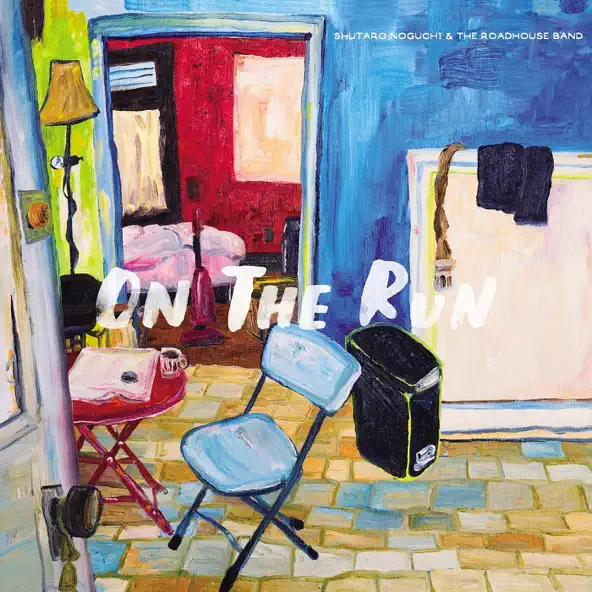
But wait! Ryan Davis & The Roadhouse Band still had an overlooked project this year! Three months after New Threats from the Soul, Davis and the band backed a (then) US-based Japanese singer-songwriter, Shutaro Noguchi. And far from being their usual sound with a swapped vocalist, the sound here is more like an experimental, jammy Shintaro Sakamoto with krautrock inclinations, taking The Roadhouse Band to “I wasn’t familiar with your game” levels. (I am sad that Noguchi relocated back to Japan after recording this, likely relegating this to a one-off collaboration, but I’ll be happy it happened at all.)

My occasional check-ins on K-pop have felt less fruitful than they used to (a sad insult after NewJeans’ misfortunes). Finally, an exception. What’s impressive to me is that this isn’t a big sonic reinvention or anything—simply the fundamental dramatic K-pop sound of the last couple years, but, really pulled off. I normally bounce off big K-pop singles that hinge on powerful vocal performances (usually gravitating to sugary catchiness or weird production), but I’ll be damned if “High Horse” didn’t throw me into an obsessive stupor.
Note: I only realized while putting this list together that NMIXX had their debut LP later in the year (Blue Valentine). So uh, probably check that out too.
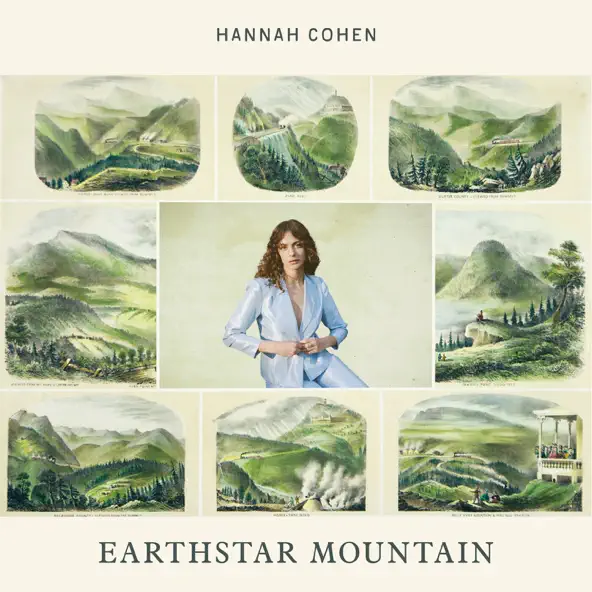
Many artists have plumbed 70s soft rock recently, because it rules, but there is a danger of coasting on the easy pleasant sounds of the style without bringing distinct songs. Cohen evaporates this fear on the first track, and keeps up a distinct song-by-song variation and quality the whole way through.

This debut album opens with Annahstasia in brief a capella, introducing you to the singing voice you’re about to spend the next 43 minutes transfixed by. I was reminded upfront of the similarly deep-voiced folk singer-songwriter Grace Cummings, but Annahstasia quickly differentiates herself from Cummings’ shoutier folk revival style by staying in a silkier intimate emotional mode, and with a more modern acoustic indie backing (though wisely minimal to never get in the way of her vocals).

Aoba, a supernaturally pure, intimately-recorded folk songwriter, threw a wrench in her fanbase in 2020 by releasing her first album (Windswept Adan) that was easy to tell apart from the others. It was a lovely album, but it was densely arranged with a fantasy-like progressive folk lushness, creating an effect very different from the arrestingly spare compositions she was known for. Luminescent Creatures pulls back the effect somewhat—the lush arrangements are still there, but not as thickly as before, and the songwriting feels closer to her original style. (If I heard all her albums without any dates attached, I would’ve guessed this was the transition album.) This is beautiful music, and I’m happy to hear Aoba explore this sound further.

Shelley got my attention last year with her EP Mood Ring, and she’s continued it perfectly into this year’s full-length. This is solace-giving autumnal, wood-paneled, decade-agnostic folk music—and with its album name, a promise fulfilled.

(Yes yes yes, they were using that name in live performances before the campaign slogan.) As a fan of all three members (Aoife O’Donovan, who put out one of my 2024 favorites, Sarah Jarosz, and Nickel Creek’s Sara Watkins), I was delighted to hear these three in 2018 group up and harmonize together in a proper acoustic folk supergroup—but to me, still felt like a side effort in all three artists’ discographies, an album defined by its (likable) simple spontaneity. Reuniting seven years later, they’ve made something among the best of their solo careers, instantly differentiating itself from its predecessor with its fuller, complex sound. Intricate, timeless folk songwriting, with three players in perfect ease and lockstep with each other.

The flutes and hushed vocals have correctly brought many reviews to drop a Nick Drake comparison, but I’m also getting 90s Drag City songwriter (like Edith Frost) and a slight mystic touch to remind me of the underrated Mike Wexler. In other words, a whole bunch of stuff I love.
Sometimes my year-end favorites leave me stranded with nothing beyond platitudes to pass on. This is so good it just doesn’t need complex introduction. This is her best yet: a marriage of beautiful vocals, beautiful songs, and beautiful arrangements. I’m impressed equally by the Have One on Me-esque swell on “Dime” and the whisper-quiet restraint of songs like “Tregua”, and everything in between.
I admit that until this year, I didn’t catch how different a focus each Mon Laferte album has taken—she sounds so confident in each area, I’ve passively accepted it as her thing. Here, she takes on vocal jazz, and, look at that, makes it sound like vocal jazz has always been her thing. She rises to the needs of the melodramatic heights of the style, from yearning heartbreak, to plain’ ol belting the fuck out of a chorus over a horn and string section (“Vida Normal”, “Otra Noche de Llorar”, my god!) Also getting Natalia Lafourcade and Silvana Estrada to harmonize with you on a song together is just flexing.

You may notice I rarely bring up lyrical content, which is a fault of my brain refusing to latch onto it most the time. This, however, is something I found myself listening to more like an audiobook than an album. This is “a divorce album” like Everest is “a mountain”. This is some immediate, live, therapeutic processing, with an eye-widening, monocle-popping candor, on both the gossipy blow-by-blow account of the crumbling marriage, but also Allen’s own warts-and-all headspace throughout. It’d be a notable album for its origins and lyrics no matter what, but the fact it’s all paired to genuinely great, catchy pop and R&B adds an extra layer of absurdity and awe over the whole thing existing.
Dubby ambient techno is a genre I always give a pass for not straying out of its comfort zone established in the late 90s—but, damn, here’s proof it can still be surprising. This is atmospheric while staying punchy, and constantly showing off new sounds, textures, and rhythms I haven’t heard before. Intensely satisfying headphone listening, and his best work yet.

Mathias Eick (trumpet, voice, keyboard), Kristjan Randalu (piano), Ole Morten Vågan (bass), Hans Hulbækmo (drums)
This is probably my vote for the 2025 release for ECM newcomers to find out what their deal is. This comes four years after When We Leave, which also made my 2021 AOTY list, though with a new band in tow. This four-piece has a consistently “full” band sound, and is a lot more approachably higher tempo and rhythm-driven than a lot of the label’s famously spare output, though still hitting an impressive range of style and moods across each track. (Fans of Eick’s ghostly trumpet playing should also listen to him on Benjamin Lackner’s Spindrift this year, an album that takes on a more noir-ish, streetlights-on-wet-roads vibe. I was torn between both as far as the Eick showcase pick for this year.)
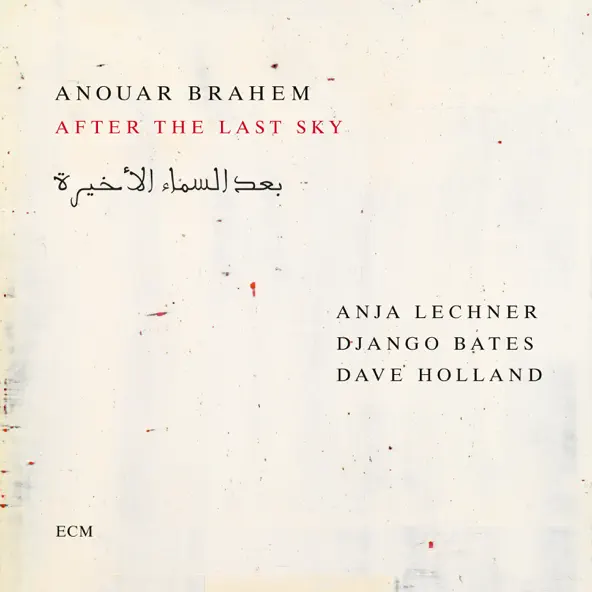
Anouar Brahem (oud), Anja Lechner (cello), Django Bates (piano), Dave Holland (bass)
This album marked the second ECM album within a week to originate as a meditation on the Gaza genocide, following Vijay Iyer & Wadada Leo Smith’s brooding and heavy Defiant Life. The sound of Brahem’s oud naturally gives this a thoroughly Arabic sound even among the traditional jazz backing of double bass (from Dave Holland!), piano, and cello. The theme can’t (and shouldn’t) be put aside: the album title quotes a Mahmoud Darwish poem, opens with “Remembering Hind” (for Hind Rajab, a five-year-old killed by the IDF), and names another after Palestinian academic Edward Said—but the music is often quite pretty, creating a poignant, nostalgic, or perhaps hopeful tone amidst its gutting real-world context.

Fred Hersch (piano), Drew Gress (bass), Joey Baron (drums)
Generally I like ECM’s consistent simple design scheme, but someone dropped the ball here. The cold blue and gray watercolor might match the first couple tracks, but it’s all wrong for what reveals itself as one of the most warm and playful albums on the label this year, best heard on tracks like the cover of Egberto Gismonti’s “Palhaço”, George & Ira Gerswhin’s “Embraceable You”, and the outright bossa nova of the Hersch-original “Anticipation”.
Though the trio’s chemistry is wonderful, I took particular notice of Joey Baron on this album as a side effect of sitting ten feet from him at a Julian Lage Trio show, where I was continually impressed with his ability to somehow never repeat himself, constantly scurrying around the kit without ever throwing off the rhythm or the trio’s chemistry. (Zorn heads may also remember him as a Naked City alum…)
Dino Saluzzi (bandoneon), Jacob Young (acoustic steel-string, electric guitar), José María Saluzzi (classical guitar)
Argentinian bandoneon player Dino Saluzzi (who released this at age 90!!) has been releasing music since the early 70s, including albums on ECM since 1982. Here, he’s joined by two guitarists: his son José Maria Saluzzi, and fellow ECM artist Jacob Young. The songs naturally center around Dino’s gentle, sweet bandoneon playing, but the guitar accompaniment is equally lovely. One of my most returned-to albums this year.

Wolfgang Muthspiel (guitars), Scott Colley (bass), Brian Blade (drums)
This trio’s last album made it to my 2023 AOTY list, and their lively follow-up easily makes this year’s as well. There’s an impressive variety and playfulness here, at some points trying something out that barely sounding like a jazz band (the fun tight groove of “Roll”, and the namesake rhythm electric guitar backbone of “Strumming”).

John Scofield (guitar), Dave Holland (bass)
Two legends who’ve often played together but never recorded as a duo, finally together playing each other’s songs to wrap up a tour. This is going to be most rewarding to fans of their output, but could also be educational to newcomers—when people talk about players “in conversation with each other”, here is a study on exactly what people mean by that, with lots of call-and-response trading between each other. Yet, they’re still just as rewarding meshing together in straightforward service to the song, like on the lovely closing title track.

performed by Maxim Rysanov (viola), Dasol Kim (piano), Roman Mints (violin/hurdy gurdy), Kristina Blaumane (cello), and the BBC Concert Orchestra
I was surprised to see a composer at a young-for-getting-orchestra-performances 45, only to realize Tabakova has regularly had her work performed since her 20s… Warning: I’m unseasoned in any pre-20th century classical composers, so I give away my casual status by having soundtracks be my main reference point. Highlights here include: “Spinning a Yarn”, built on the inherent haunting scratchiness of the hurdy gurdy; “Suite in Jazz Style: III. Dance” evoking the pounding huge piano chords of Ichiko Hashimoto; and the stunning “Sun Triptych: I. Dawn”, reminding me of Takeshi Furukawa’s score for The Last Guardian (although this was composed before it).

Rolf Lislevand (archlute, chitarrone) [solo]
I listen to every lute recording I come across. (What publication is covering classical lute music, you ask? The answer is usually AllMusic.) This album contains pieces composed from 1553 to 1650—much older than I expected, when the performance originally made me think of much newer classical guitar performance. (It turns out Lislevand’s MO is rejecting dry period recreation, and freely adds on improvisational flourish.) Really everything as far as source material, performance, and recording sound I could ask from one of these.

When De Casier’s Essentials came out in 2019, its explicit throwback to earlier silky downtempo R&B had a novelty to it. Now, in 2025, she sits among many, many other artists also turning a nostalgic gaze to the era. Perhaps in response to this, Lifetime makes the most noticeable sound change among her last three albums, specifically by maximizing everything gorgeous about her sound, with dreamy blissful pads and generous reverb throughout, and a stronger emphasis on trip hop. (I obsessed over “You Can’t Always Get What You Want” in particular, which I will dare compare to Seal’s eternal “Violet”.) Music for cavernous midnight lobbies with ambient lighting.
I wasn’t on these guys’ side. I checked out the first two albums, appreciated their ambition, but found them overbearing and wasn’t planning on popping in for the third. But then I read their primary singer and songwriter abruptly left the band, spurring a total sound change. The chance to be annoying presented itself, and I grabbed the album. All-female singers, ambitious progressive folk and baroque pop arrangements and twisting song structures, anchored in catchy, moving crescendos… I’m happy to say this is easily their best work, and not even just for my initial nefarious goals of needling fans of the old albums. I delightfully pick up a heavy infusion of Joanna Newsom’s Divers, in both the songwriting, vocal phrasing, to the more obvious piano and harpsichord prominence throughout.

This hits in a very specific nostalgia I’m not sure how many people will share. After getting my first free reign on the internet when I was 12, a dangerous combination of last.fm radio stations, Megaupload Blogspots, and a few lucky accidents (including a Wikipedia random article button) led me to artists like Black Dice, Lucky Dragons, and 2000s James Ferraro. Artists who would often land on something original (alien, grooving, or often, straight-up funny)…just as often as they were content to put out aimless jams or knob twiddling buried in lo-fi crud, transmissions from the weird-crap dimension unconcerned with what any listener would want from a “song”. All of it together (including the aimless crap) was as far a world possible from the, like, All-American Rejects CDs I was listening to the year before and it all captivated me equally.
I’ve never been reminded of this era (both the music itself, and my own “you can do this? this is allowed?” captivation) as strongly as I have with this album. To describe its sound, “psychedelic” and “tribal” will do the job. The keyboards bring Terry Riley to mind, combined with distorted guitar solos and video game soundtrack-like sampler instruments, all over a steady bedrock of buried hand drums. (They land on some restorative moments throughout, like the handclaps and organ of the opener, and the saving-point cooldown of the sampler fretless bass on “Venus of Willendorf”.) But it’s also that double album sprawl, and, yes, some of the just-dicking-around keyboard pounding, overdrive/modulator wank, and lo-fi crud all take me back to a time I forgot I was so fond of.

An auspicious debut giving a tour of multiple classic country styles (including honky-tonk, cosmic country, and jammy Dead-like grooves), and great songs. I’m warmly reminded of Daniel Donato’s Reflector, one of my 2023 favorites.
Superb Gram Parsons-worshipping country rock, with the winning combo of harmonizing male and female lead vocalists. “Fruit from the Vine” is a particular stunner.
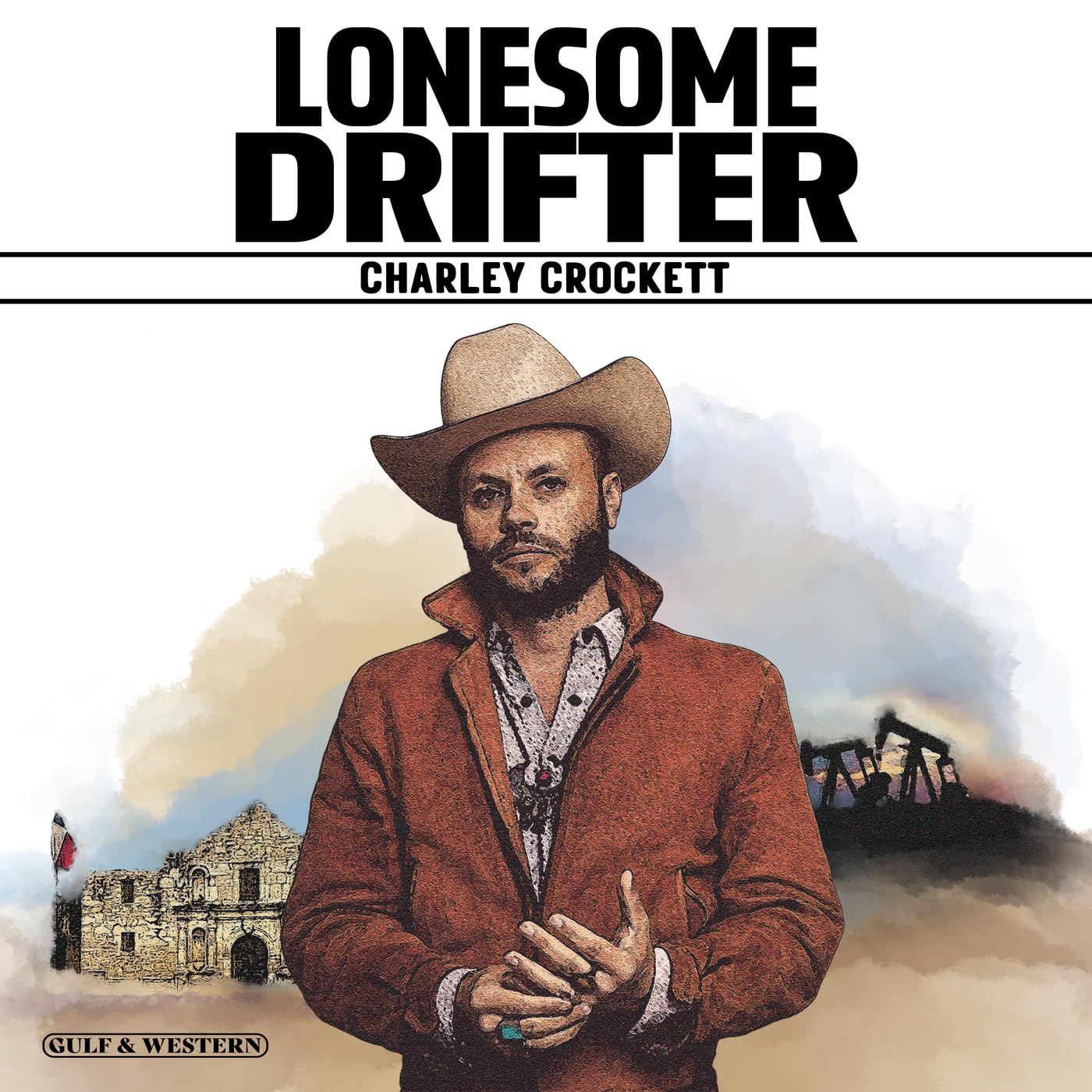
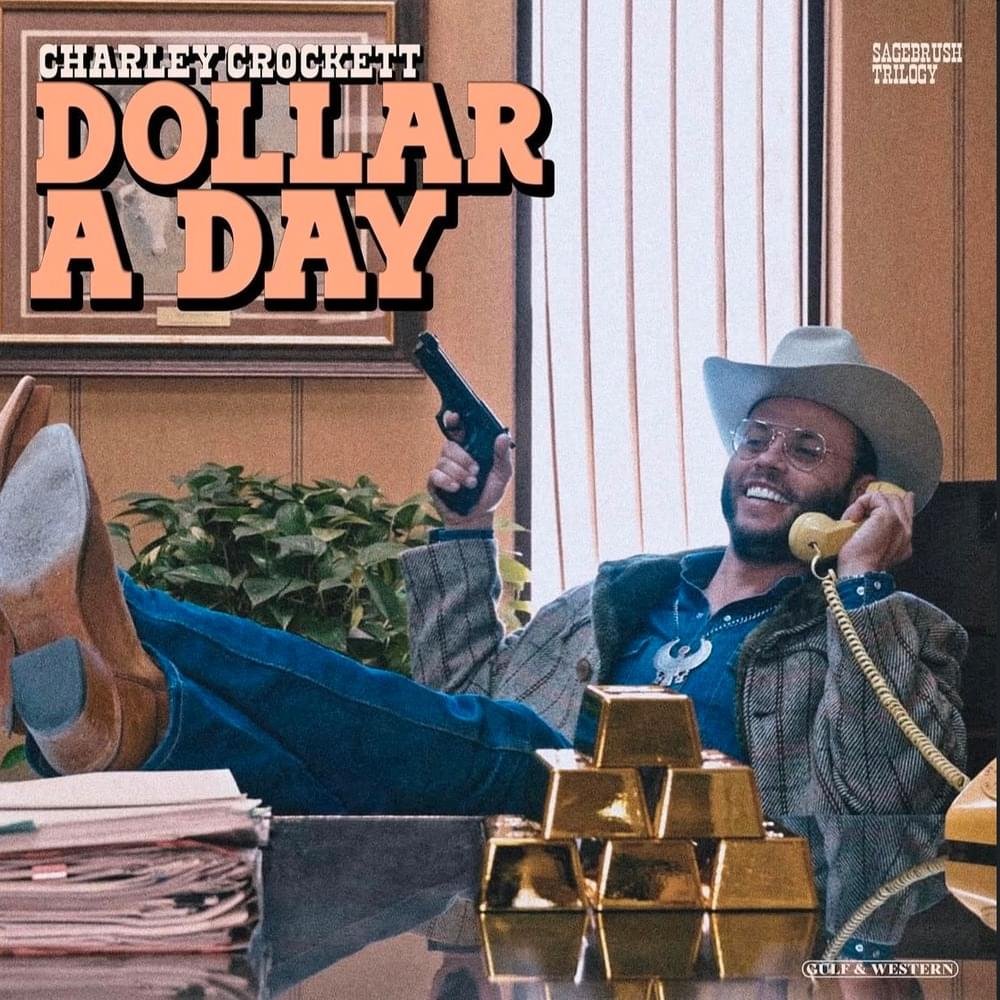
Crockett is one of my favorite country artists (I don’t need to add the “active” qualifier), but one who’s so productive and consistent I’ve struggled how to differentiate (and shill) his steady output. He’s finally extended me a branch! Starting with Lonesome Drifter, he’s finally on a major label (after his nonstop sold out tours), and he’s included many self-covers here in a tight, finely-studio-crafted sound, without losing any of his bluesy, emotive quality. The second entry in this trilogy, Dollar a Day, continues the consistency with a phenomenal album cover. A perfect entry point.

There’s no shortage of people making pretty instrumental music centered on fingerpicked guitar, but Pedigo easily stands out with his melodicism and tasteful uncluttered, complementary arrangements and ambient textures (including some unexpected moments, like the proggy Mellotron choir on “Smoked”). I was extra won over seeing him open for Ichiko Aoba with his charmingly apologetic chatter and captivating solo performance.

Childers kind of had a comeback songwriting album in 2023, a likably straightforward 28–minute album-o’-songs. Now he’s, uh, made a Comeback 2, invigorated and putting in a lyrical and production oomph with unabashed stompers. See: the irresistible “Poachers”, a comic saga envisioning an arrest for out-of-season hunting spiraling into scandal (“he’s the one with the vidya of the coal-mining gays”) over a rolling beat and accordion; “Tirtha Yatra” recounting two years reading the Mahabharata; and the ultimate hater anthem “Bitin’ List” (“And if there ever came a time I got rabies, you’re high on the bitin’ list”). There’s still an appearance of him in a spare and raw mode he excels in (“Nose on the Grindstone”), but ultimately this is an album dedicated to Childers at his most rambunctious, feisty, and infectious.
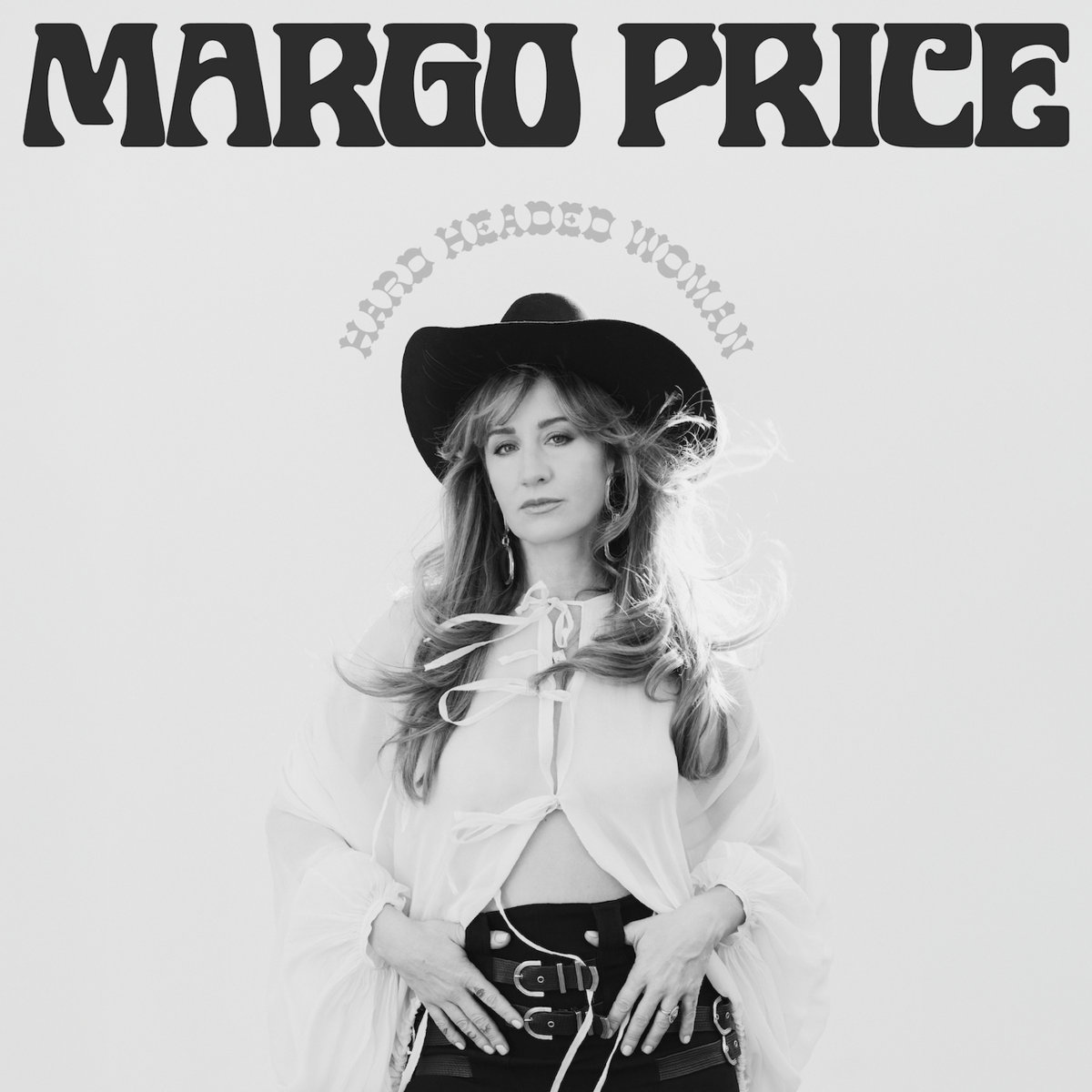
I’ve enjoyed Price’s wandering years exploring newer psych rock and indie Americana sounds and hope she isn’t done with it, but damn—she is very, very good at traditional country. She’s returned with the producer of her first two albums, she’s covering Kristofferson, George Jones, and Waylon Jennings, she’s dueting with Tyler Childers, the pedal steels are sighing, and she is in her element.

I was drafting a blurb here before realizing I was just repeating what I said for his 2023 album, so I’ll be lazy and quote myself: “the real appeal here is just the simple pleasures of a guy on a guitar cranking out some good songs”. It’s hard to find the angle/niche to plug a guy delivering such simple pleasures, but I treasure him for continuing to deliver it.
A decade ago, my pitch for Eiko Ishibashi was: a fellow singer-songwriter with an experimental background who was carrying the torch of that jazzy bright 90s Drag City house sound ever since her partner Jim O’Rourke retired his solo songwriting ambitions. Now, I have a much easier angle to recommend her work: hear a songwriting album from the excellent composer for Ryusuke Hamaguchi’s movies Drive My Car and Evil Does Not Exist! The gray, ominous cover does not lie about the mood: this is gorgeous, serene songwriting with a rustling jazzy backing, but music that’s never without a looming unease and darkness to create a moving, profound push-and-pull throughout the album’s moods.

Ever wish Caroline Polachek made a downtempo album? You’re in luck. “Play” is a song so astronomically good (with its long, long build to finally dropping breakbeats and fuzzy guitar chug) it threatens to upend the entire hour-long album, but that’s a good problem to have.

You may have heard about this one this year. It’s good! I continue to love Cameron Winter’s shapeshifting vocals. It may be a more consistent, smoother album than 2023’s more unhinged 3D Country. I do kind of miss that album’s soulful country rock flavor, but I can’t deny a massive cathartic climax like “Long Island City Here I Come”. Like many people I must know: is the cover referencing Boredoms’ Vision Creation Newsun?

I’m miffed that no one involved with this felt it deserved better than some who-cares 2022-era AI for the artwork. I’ll give this album what it’s owed, if they won’t!! Surprisingly, Gendel’s unmistakable processed sax tone is not on display here. If the Gendel and Mercereau usually start with jazz and take it somewhere of their own, on Digi-Squires they instead start with a kind of medieval folk. It’s not a simple fusion, or a vibe I can even make any comparison to. The central standout “The Vilage” follows this most traditionally, while others like the opening two tracks plop along to a strange beat (but still adorned by flutes and unrecognizably processed string plucks). “By Aventure Yfalle” makes a mysterious atmosphere out of what seems to be harmonica. It’s a unique sound unlike anything I’ve heard from either artist, and one that begs for a strange fantasy RPG to set this music to.

This is a perfect example of this sound I’m getting at. Even without a percussionist, this three piece locks together in a funky staccato punchiness to replace the need for one. Later in the album, the overall sounds gives way to more sustained textures and jazzy balladeering, until reaching its climax with the luxuriantly moody cover of “The Fool on the Hill”.

The two prolific session players (Pino Palladino, playing bass on dozens of albums you know 80s-onwards, and Blake Mills, songwriter and guitarist on dozens of albums you know 2000s-onwards) team up for their second instrumental collab. The styles they explore are shifting and undefinable as anything other than the, well, the grouping I’m proposing here. Maybe it’s recency bias, but I see the fleshed out fullness of this release as a strong evolution from the drier, wonkier sound of their last album (which I had also included on my 2021 AOTY list).

I’ll admit this album’s consistent low BPM and chamber pop mellowness caused it to slide past me on the first couple listens, until finally I returned and wondered how I ever missed these smart, wry lyrics, and gorgeous cinematic choruses on songs like “Eternal Darkness of the Spotted Mind” and closer “Everybody’s Just as Crazy as Me”. Well worth the focused listen that it took me a couple tries to realize I owed it.

Thank God for the catch-all term “art pop” to stop me from flailing too much here. I’m no Blood Orange scholar to talk about where this sits in his discography, only that this is easy AOTY material. This blends his classical background, a dozen features (Tirzah!), dream pop, even some drum and bass into a cohesive, mellow whole while still feeling personal and intimate. On top of the already great sound, there are constant perfect little arrangement touches throughout: the many flute, sax, and string solos, the accordion(?) on “The Train (King’s Cross)”, the very Arthur Russell-esque cello on “I Listened (Every Night)”…
I heard Wednesday’s Rat Saw God when it came out without remembering much. I think the time I spent with MJ Lenderman’s Manning Fireworks in 2023 unlocked something in me, because I instantly saw the light this time. Perfect continuation of 90s fuzzy slacker-y alt-rock, and multiple excellent new instant entries into alt-country canon (“Elderberry Wine”! Wow!). It pulls something off that the many “Americana” indie artists of recent years haven’t been able to do for me. An album so good I can forgive it for namedropping Death Grips.

There’s little predicting what mode each new Nels Cline will be in. He can be avant-garde and exploratory (his Julian Lage collab, The Nels Cline 4), noisy and jammy (The Nels Cline Singers), a total sweetheart (2016’s Lovers), appear on any unsuspecting indie release in any year, and also be in Wilco for over twenty years? Consentrik Quartet is honestly hard to pin down, and seems to tour all his modes across its hour run. There’s often a traditional 60s hard bop starting point (maybe a continued politeness to being on Blue Note?), but Cline’s playing never takes long to give away his rock inclinations. The shifting styles are best shown off in the ten-minute ode to Deerhoof’s Satomi Matsuzaki, where a spot-on Deerhoof impression battles a free jazz meltdown, before finally settling into a post-rock cooldown. It’s an impressive display and one that never needs to get lost in an atonal wilderness to make its case for its creativity.

Something I appreciate about jazz as a genre is how often you’ll come across a new release nonchalantly led by an octogenarian (87, in this case). Having only heard his recent releases on Blue Note myself, I am constantly humbled as a dilettante can’t speak on Lloyd’s giant output that stretches back to 1964, but I can at least vouch for this. As a double album, all ballads, and all on piano, guitar, and Lloyd’s sax, it should risk being too much of a good thing, but has repeatedly proved itself as a luxurious 1h38m to spend time inside.

This jazz trio has mastered whatever recording techniques necessary to make their music sound like it’s floating to us from a humid brown-carpeted 60s studio. There’s a smoooth modern sensibility here (particularly in the drumming), but otherwise it enjoys rolling around musty upright piano fills like an unearthed Vince Guaraldi record.

I had checked out and liked Kenney’s dreamy, bedroom art pop before, but this album particularly turned my head with its new sense of scale and drama. (I feel like she’s tapping into territory that St. Vincent has left behind.) This sounds like a small compliment, but on each listen I’m impressed on how good the synth arrangements are, with each song having some cool sound happening around the already great songwriting.

On its own, this is a fun, chill blend of balearic, deep house, breakbeats, etc, sculpted out of pure 90s synth cheese. But for anyone who’s spent too many hours with old video game soundtracks, it’s a second-by-second precision blast of latent nostalgic memories. (It’s that synth harmonica!!) This isn’t seeking the fidelity that could get it confused for an actual soundtrack (like d’Eon’s Leviathan last year) but still gives the same satisfaction in spite of taking the shape of balearic house. (Also, shoutout to the cover’s clay sculptures in homage to weird game manual art. I would play that RPG.)

Yamaguchi’s first three albums (1980–83) gained a second wind in the last decade of renewed fame for 80s Japanese synthpop, and for good reason. At a glance, she looked like one of those artists who mysteriously retires after dropping a perfect run of albums—but in reality, she stayed busy as a prolific songwriter for other artists. She wouldn’t return to solo releases until 2018, reuniting with Hideki Matsutake, the synth programmer behind much of Japan’s best-loved early synthpop. Love & Salt, Yamaguchi’s third album in her return phase, takes a pop focus, with Yamaguchi even namedropping Sabrina Carpenter and Billie Eilish in interviews (huh). But putting aside all that context, the biggest impression here is simply how good Yamaguchi’s songwriting is, from that magical fantasy-ish chorus on “Salome”, and lovely ballads like “Timeless” and “Setsuna Awamashi Koi Botan”. I’d still recommend her three 80s albums as an intro, since there’s some front-loaded 2000s dance production schmaltz here that might scare newcomers (but that’s okay, retro throwbacks are hot this year!), but I urge any unaware fans to throw this on to hear how good she is forty years later.

This is not a surprising album for its sound or development in Tweedy’s style. It is a very surprising album for being this consistently good across three discs. I was firmly on this album’s side when first reading Wikipedia’s detail that his “decision to record a triple album was first inspired after he listened to The Clash’s Sandinista! all the way through during a road trip with his two sons,” which is exactly the warm charming detail that’s carries through the mood of these nearly two hours.
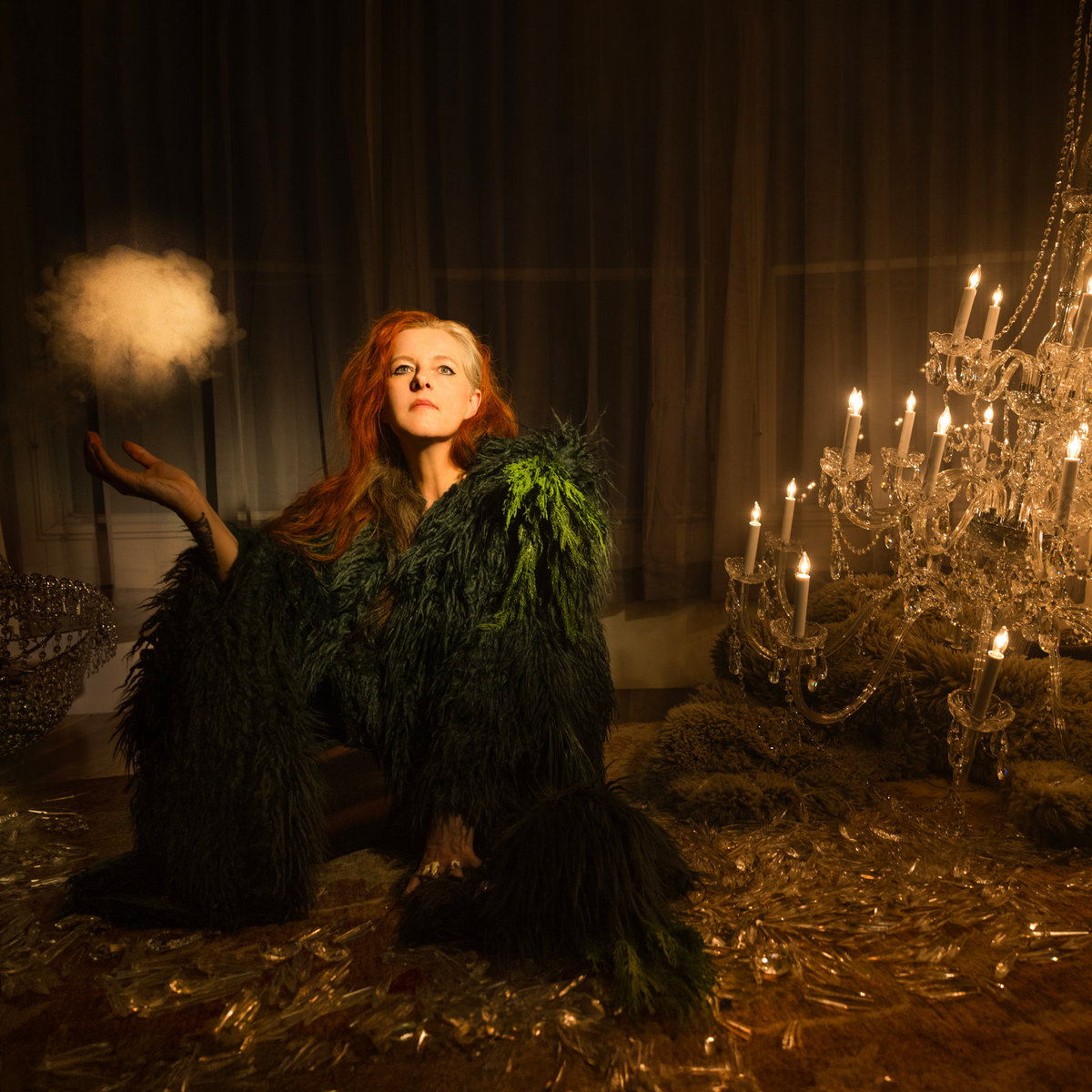
Truthfully, any album full of Neko Case’s singing was going to be on my AOTY list, especially after a seven-year wait. She brought a great album along with it anyway (one that’s been more immediate than Hell-On for me). As expected, you have her usual hard-hitting lyrics (impossible to fade into the background), her perfect twang even as she’s explored beyond her alt-country days—but you also have a new full orchestrated arrangement, adding a cinematic oomph to match her delivery. (Side note: is “Tomboy Gold” her giving a crack at her own Fetch the Bolt Cutters?)

Will Oldham’s consistency isn’t surprising at this point, but his newest release takes on a warm, communal, country-rock-tinged backing that his always-great voice and songwriting particularly shine in. (And don’t forget the lone banda track…)

McCombs has gotten good results recently out of indulging his live, jammy inclinations. Here, however, he’s given us a meaty 74 minutes of pure songwriting, but even at that length has managed one of his most consistent albums. I admit I feel like I haven’t fully unpacked this one yet, since I got to this one late in the year after setting off on a full discography relisten—but also glad I did, since this made a rewarding cherry on top of an already rewarding twenty years of craft-honing.

The stripped-down minimalism of Reset was cool, but Lennox really thrives in this surprisingly traditional live-band backing (it helps that he’s brought one of his best sets of songs in a while). Music for floating in pools.

After six years of only instrumental output (and somehow, opening for Haruomi Hosono… interviewing Akiko Yano…), DeMarco returns with a songwriting album so stripped back and at ease it still scares the fans who only loop his first two albums. To be fair, this is an album so at peace it manages to wrap back around to sounding experimental (also helped by DeMarco pushing his voice to a higher and lower range than I knew he had, I wondered if he was doing a concept album of two characters at first). This hits a special reflective mood I haven’t heard in many famously chill musicians (including DeMarco’s past output)—and a mood I returned to more than I expected this year.

I initially mentally filed this away as another moody hyperpop-inflected PinkPantheress or whoever. However… the album frequently pulls out an old-fantasy JRPG style arrangement (synth flutes abound) that I kind of adore, and has led to me returning to this one repeatedly.

I recognize the elements here: that particular new indie singer-songwriter sounding vocals, the math rock-y dynamism (and willingness to go heavy and explore tension), and smooth, jazzy, bossa nova arrangements—but I’ve never heard them all put together quite like this. An excellent debut LP.
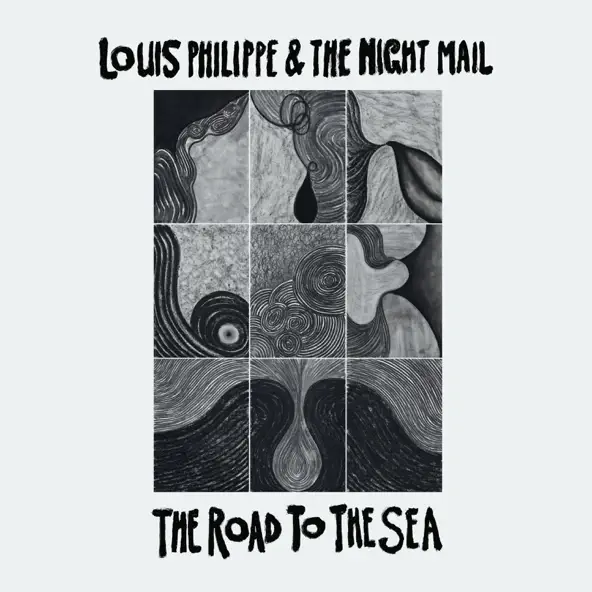
Louis Philippe was an in-house songwriter and producer for the cult-hit él Records label (which, through whatever strange international machinations, became a darling of the Shibuya-kei scene of Japanese artists), and also put out an excellent run of solo albums, all love letters to 60s chamber pop. After a thirteen-year break, he returned in 2020 with Thunderclouds and a new backing band, continuing where he left off in 2007 like nothing happened. And now, five years later, he did it again: an album full of ornate arrangements and vocal harmonies like the best of his chamber pop influences, and as romantic and catchy a set of songs he’s put out.
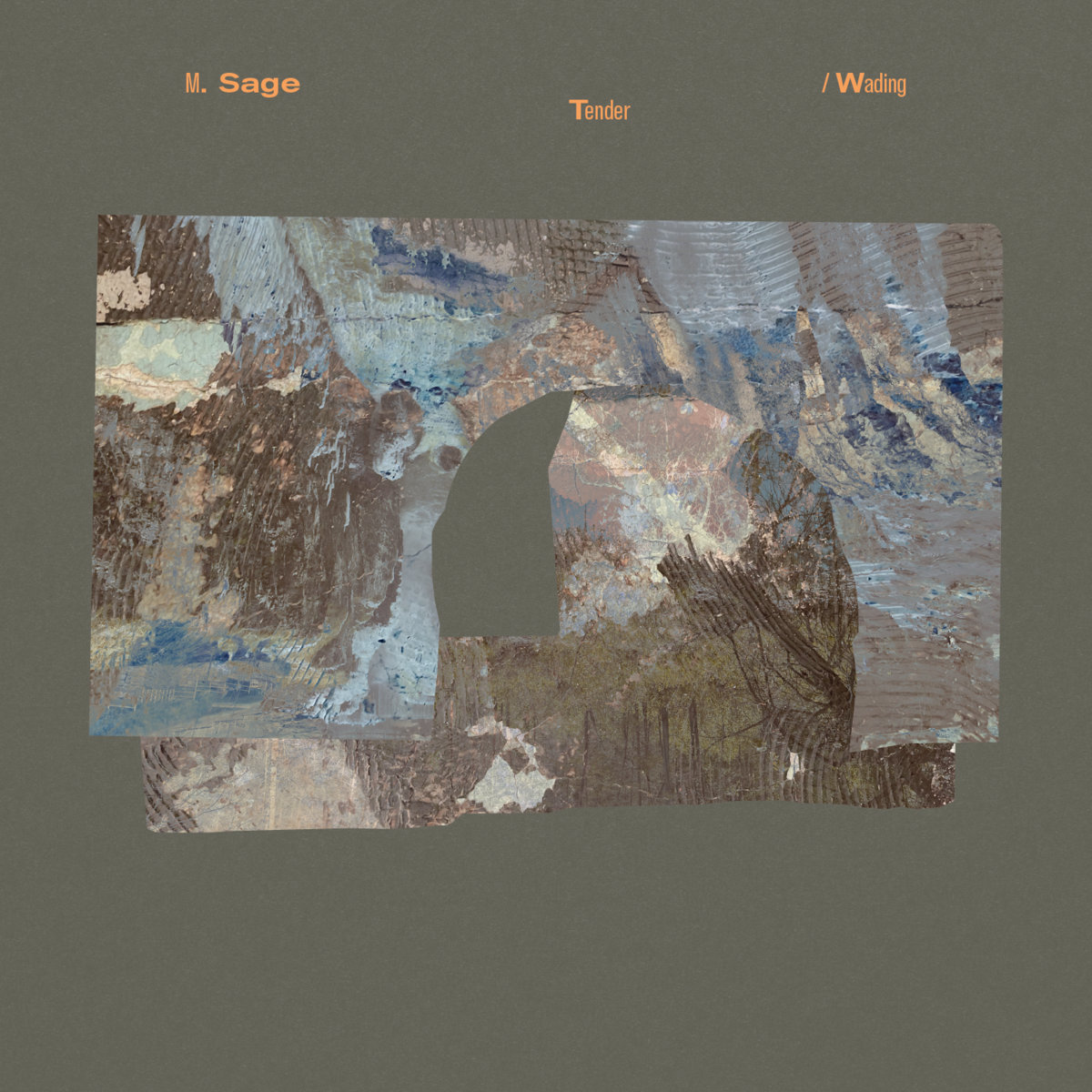
Writing about Sage’s Paradise Crick in 2023, I distinguished M. Sage’s solo style from Fuubutsushi for its “clutter” and freer spread of styles. My generalization was already proven wrong by Tender/Wading, which instead strikes me as one of the most focused and unabashedly pretty albums from the entire Fuubutsushi circle, with an emphasis on Sage’s clarinet as a central melodic force.
Fuubutsushi themselves have officially released their (tragically) only live performance to date. Their studio albums’ gentle shifting collage-like compositions and field recordings are fruitfully recontextualized in live arrangement (though some field recordings still make it to the performance). A particular shoutout to this performance of “Mistral”, which turns the gentle, shuffling track from Yamawarau into a cathartic, building mantra, and some of the most beautiful five minutes of music they’ve put out (as well as anyone else this year). Whoever did that “woo!”, I feel you.
After an eight-year silence, Coverdale returns with three full-lengths within a year. The year opened with the statement-maker From Where You Came, an album much more intricate and constantly-moving than the “ambient” label might give away. Tracks vary from traditional voice and cello composition of its opener, the emotional yearning shimmer of analogue synth walls (evoking 2000s Oneohtrix Point Never and Emeralds), the sampler instruments of vintage new age, and even whipping out the first ever beat eight tracks into the album.
A Series of Actions, as an album of solo piano nocturnes, makes contrast to From Where You Came’s spread of sounds. There’s a slight processing and layering to prevent this from sounding like a dry, lone piano, but each track is still a traditional composition. Changes in Air adapts an 2019 installation piece for a floating fjord-facing Norway sauna, and is appropriately the most “ambient” of these three. It’s primarily built around electric organ and piano (no washes of drone), but hangs closest to that same yearning, longing sound also heard in From Where You Came. (The organ-heavy opener also brings fellow organist Kali Malone to mind, though I should note this was recorded in 2019 at the same time as her breakout.) Is that sauna still open?
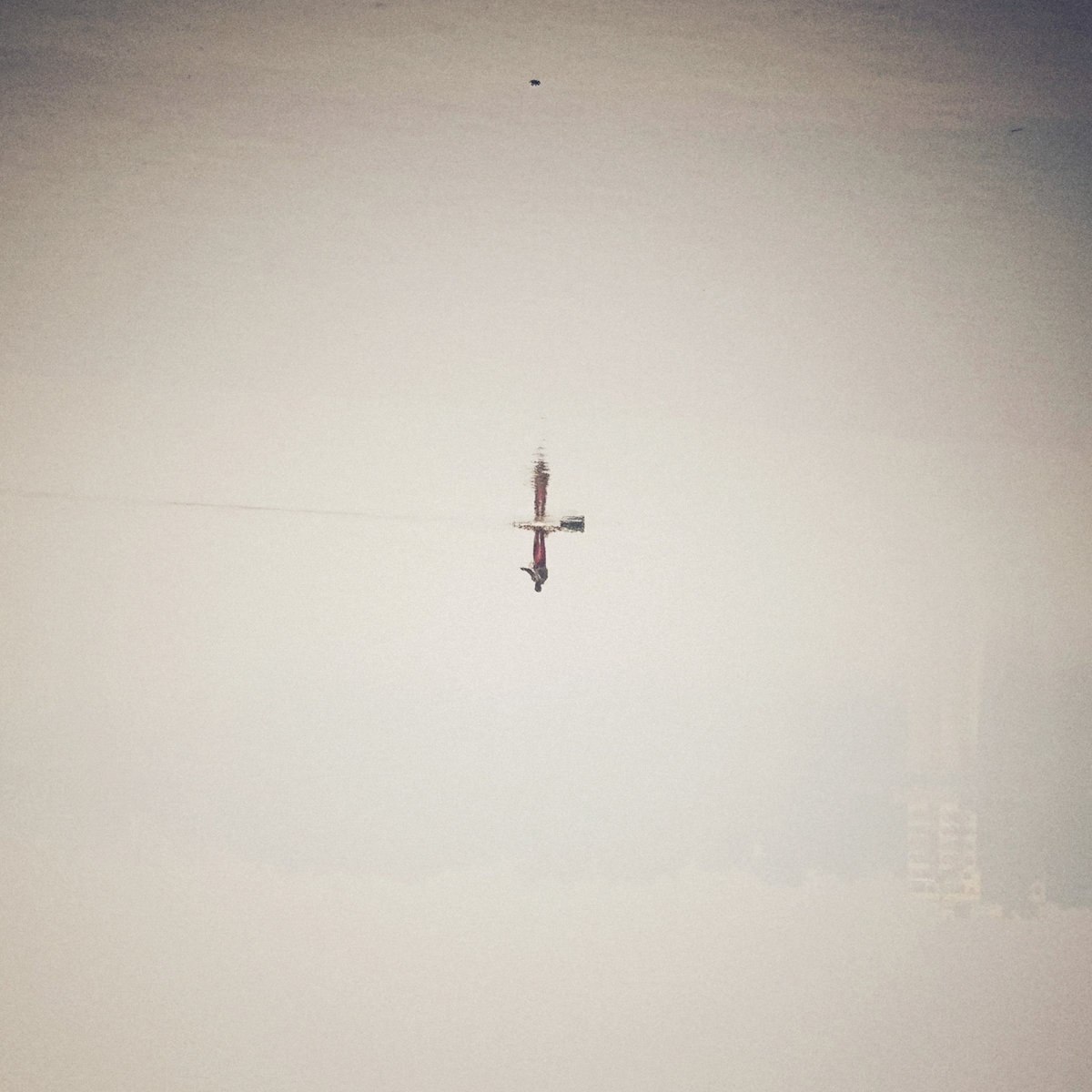
In spite of the haters, I will never apologize for listening to music in the background. (Why shouldn’t I want to cram music I like into every part of my life, huh?) However, there are times when something ends up being too unexpectedly pretty to continue serving that purpose. As a very drone-heavy album (with the exception of the very kosmische arpeggios of “Beautification Technologies” and the “Power Down the Heart” appearance from Moor Mother, the spoken word album crasher du jour), this looked like an easy fit for some couch reading, only for me to instead sit arrested by it (“Plastic Glacier” was the track to make me set the book down completely). Repeat listens haven’t diminished the effect.

Among recent ambient dub techno groups, Purelink already stood out for being uniquely airy and atmospheric. Faith dives even further into aspect of their sound, never losing its periodic bass kick or percussive blips to mark the BPM, but otherwise unafraid to explore a Gas-like ether. In an unexpected move, “Rookie” grabs Loraine James for un-processed vocals gliding on top of their usual cloudy, swirling textures to powerful effect.

The ambient drone-adjacent guitarist takes on a set of jazz standards (surprise)! The effect is magical, with the romantic time-tested melodies stretched out to become achingly sweet and moving. Though still primarily built on Toral’s guitar drone, it shares space evenly with horns and woodwinds to properly squeeze out the tender sweetness of these songs.

Asa Tone, trio of new electronic musicians (Melati ESP, Tristan Arp, and Kaazi) team up with a pioneering electronic music legend, saxophonist, and frequent collaborator Ariel Kalma to make an album of warm modular synths and organic instruments, and (forgive me for this), exploring a kind of tasteful ambient take on the kind of “world” sounds 90s psybient groups were sampling.
(Sadly, this would be one of Kalma’s final releases before he passed. Not actually his last, accounting for his incredibly prolific Bandcamp output.)
I respect myself enough to not throw the soundtrack to every movie and video game I like into my music roundups. Katamari Damacy is important. Its soundtracks are really just omnibuses of pop songs. Great pop songs, pulling from a wild spread of styles under the masterful hands of Namco sound team. For the first Katamari in 2004, this meant a lot of then-contemporary Shibuya-kei artists (the first two soundtracks are still my first rec for anyone wanting to familiarize with the movement). In 2025, this means pairing the Namco/Katamari house style with indie darlings like…
…as well as Japanese music legends like:
…on top of delivering maximalist J-pop sugar from vtubers (KAF) and iDOLM@STER characters (Saki Hanami).
To call out some standout tracks: I love Saya Asakura’s traditional Japanese folk/pop crossover “Kokon-Tozai Katamari-Doucyu” which I can only describe as a minyo “Rasputin”. The series soundtrack mascot Shigeru Matsuzaki drops one of his best yet with “Power of Katamari Damacy” over infectious funk horns (and singing the hexcode for his famous deep suntan). But I’m floored most by the inexplicable “San Francisco Katamari Boys Chorus Song”, written by series creator Keita Takahashi and his wife (a former Namco composer) Asuka Sakai, who in classic Keita touching/absurd fusion, have a full boys choir singing about a beloved grandparents’ gifted blanket and chair, before launching into a cathartic “na na na”s of the Katamari theme—all set over a sweltering jazz band. (The Namco team has also outdone themselves with the game’s instrumentals on the second disc as well, like the Ennio Morricone/dance fusion of “Nothing to Be Afraid Of”, but this disc is much more “I’m listening to a video game soundtrack” territory.)
I should also mention the Namco team’s good work on the soundtrack for the first Katamari game of 2025, Katamari Damacy Rolling LIVE, a strong entry with the misfortune of being exclusive to Apple Arcade and getting utterly butt mogged by Once Upon a Katamari six months later. Its soundtrack (Lalamari Damacy) takes an slightly mellower, consistent sound, without the same level of big artist grabs, but might appeal more to people who weren’t fans of the maximalist J-pop direction of Katamari no Mani Mani. I should also alert OG Katamari fans to Keita Takahashi and Saya Asakura’s work on to a T (a charming kids show of a game), of which the songs “Perfect Shape” and “Giraffe Song” easily win the title for songs stuck in my head for the most of 2025.
Originally posted 2025.12.09